10 Yard Dumpster Rental in Plymouth, MA
Most people who call asking about a 10-yard dumpster aren’t asking because they know what one is. They’re asking because they’ve got a garage full of stuff, or a bathroom half torn apart, and they want to know if this size will actually cover it — or if they’re about to pay for a second delivery halfway through the job.
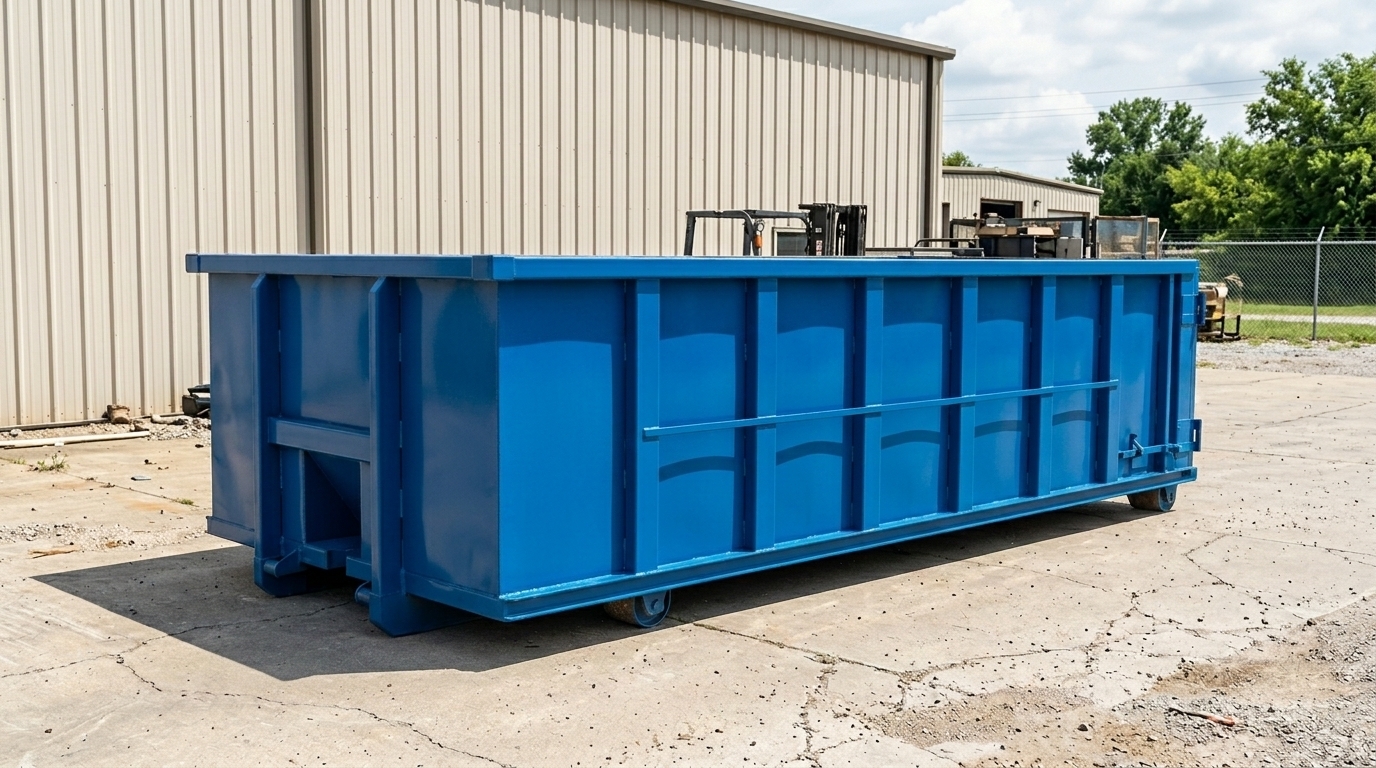
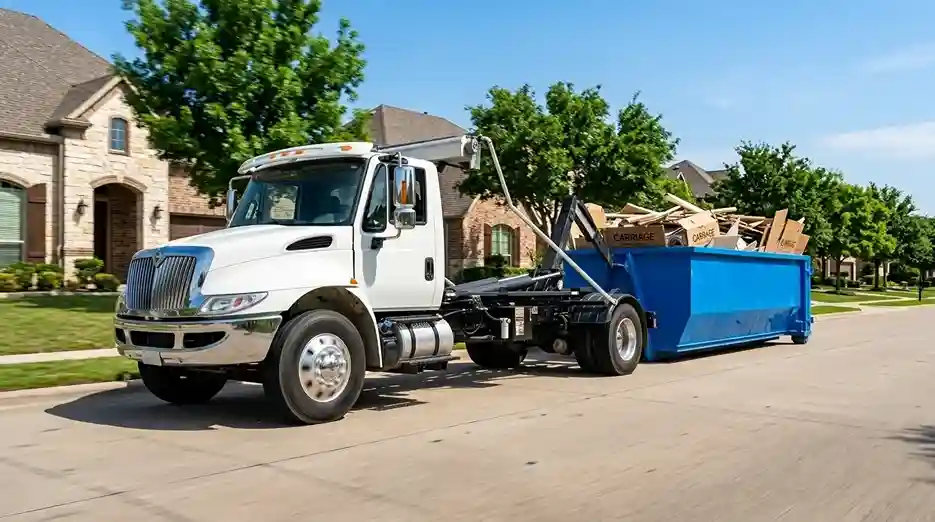
A 10-yard is our smallest roll-off — about the footprint of a compact car, sitting roughly waist-high. It’s built for contained, single-space jobs: one room, one garage, one small demo. If your project spans more than one room or involves a full teardown, you’ll outgrow it fast — that’s what the 15-yard and up are for. If it’s one space and mostly household material, a 10-yard is usually the right call.
How Big Is It, Actually
Dimensions vary a bit by manufacturer, so treat these as typical rather than exact — we’ll confirm specifics when you book.
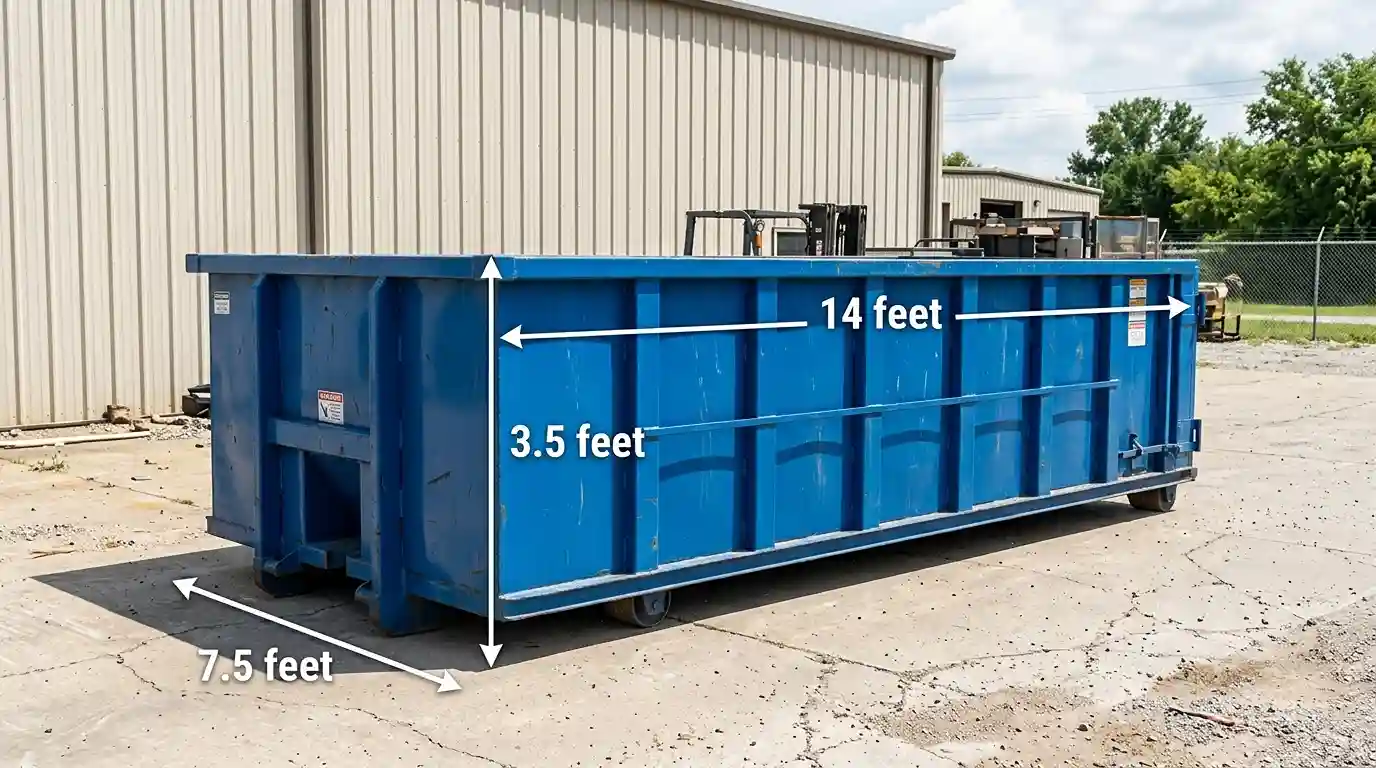
| Spec | |
|---|---|
| Length | 10–14 ft |
| Width | 7.5–8 ft |
| Wall height | 3.5–4 ft |
| Volume | 10 cubic yards (270 cu ft) |
| Pickup truck loads | About 3–4 |
| Trash bags (rough equivalent) | 50–70 |
What Fits In One
A 10-yard covers a solid range of common jobs.
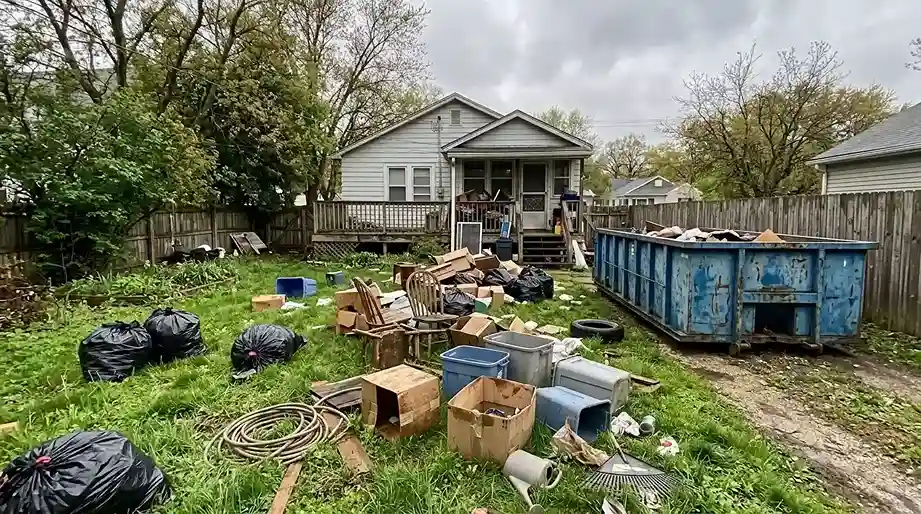
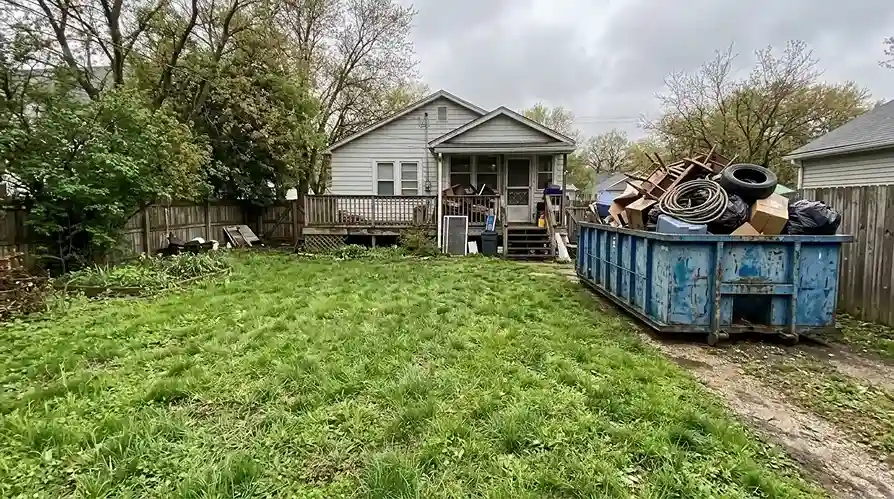
- Garage or basement cleanouts — furniture, boxes, years of accumulated stuff
- Attic cleanouts — lighter debris; if insulation’s involved, ask us how we handle it, since that varies
- Small bathroom remodels — tile, drywall, a vanity, a tub, a toilet
- Roofing tear-offs — a single-layer asphalt roof up to roughly 1,500–2,000 sq ft usually fits; multi-layer tear-offs get heavy fast and may need a second container, not for lack of room but weight
- Deck removal — smaller to mid-sized decks
- Yard cleanup — brush, branches, general landscaping debris (stumps and large limbs are their own conversation — ask about weight first)
- Concrete, brick, or dirt — in smaller quantities, like a walkway or small patio slab
What Doesn’t Go In
This isn’t just our house rule — Massachusetts enforces statewide waste disposal bans through MassDEP, and they apply no matter which hauler you use. A banned item in the load can get the whole thing rejected at the disposal facility, which is the last thing you want on pickup day.
If any of that’s part of your cleanout — and the mattress or the old TV usually is — set it aside and mention it when you book. Takes two minutes and avoids a rejected load. (Full breakdown: What Can Actually Go in a Dumpster in Massachusetts.)
One easy way to keep your weight number down: if there’s clean metal, wood, or cardboard mixed into the pile, set it aside for recycling instead of tossing it in. Less weight in the container means more room for everything else.
When to Stay at 10 Yards — and When to Size Up
The most common sizing mistake isn’t about the numbers on this page — it’s judging the dumpster by how much floor space your stuff is taking up right now, not how it compresses once it’s actually loaded. A packed garage often breaks down to less volume than it looks like sitting there.
If you’re genuinely on the fence, describing the job over the phone gets you a more accurate answer than any chart, including this one.
Cheaper Than Hauling It Yourself?
Worth thinking through before ruling a dumpster out. A transfer station or disposal-facility run usually means a fee per trip, plus your own time and fuel — and most cleanouts take more than one trip to actually finish.
A 10-yard rental replaces those repeat runs with one delivery and one pickup, at a price you know upfront. If your project is genuinely one truck bed of material, doing it yourself can still make sense. Once you’re looking at three or four loads, the math usually favors the dumpster once you count your own time.
What Actually Changes the Price
A 10-yard rental in Plymouth isn’t one flat number — a handful of variables move it:
Debris Type
Household junk, shingles, concrete, and yard waste are priced differently by material
Weight
Rentals include a weight allowance; going over adds a per-ton charge
Rental Length
How many days you keep the container
Delivery Access
Easy driveway drop vs. a tight street or tricky approach
Permit Needed
Street placement may require a town permit — covered below
Ask for a quote that breaks these out individually rather than one lump figure — it’s a lot easier to trust the number that way. (Full pricing by size: What a Dumpster Rental Costs in Plymouth.)
How the Rental Works
The rental window gets set at booking — typically a few days up to a week, with room to extend if the job runs long.
Call or book, describe the project
This is what actually determines the right size
Confirm delivery and placement
Driveway is simplest; street placement may need a permit, covered next
Load at your own pace
Keep debris below the rim, and set aside anything on the banned list
Call ahead if you finish early
Or ask about extending if you need more time — don’t assume it happens automatically
Pickup and hauling
The container goes, and material heads to a licensed disposal or recycling facility
Driveway or Street? What Matters in Plymouth
Permit rules for dumpster placement aren’t set at the state level in Massachusetts — they’re handled town by town, so what’s fine elsewhere isn’t automatically fine here.
On Your Own Property
Driveway, yard, wherever’s yours — you generally don’t need a town permit. This is why most residential deliveries go straight into the driveway.
On the Street
If any part of the container touches public street, you’ll likely need a permit from the Town of Plymouth before delivery, not after. Worth a call to Plymouth’s Department of Public Works to confirm current requirements, fees, and whether they want reflective markers on it. An unpermitted container on the street can mean a fine or getting told to move it mid-project.
Hauling Debris Yourself Instead?
Plymouth residents can use the Manomet Transfer Station, which requires a permit available through the Town Tax Collector’s Office at Town Hall (26 Court Street) or online. It’s open Sunday, Monday, Tuesday, Friday, and Saturday — closed Wednesday and Thursday — worth checking before you plan a run out there.
If your driveway has the room, keeping the whole container off the street sidesteps the permit question entirely.
Questions People Actually Ask
How much does a 10-yard dumpster hold?
Around 10 cubic yards — roughly three to four pickup truck loads.
Is a 10-yard big enough for a shed, small deck, or fence teardown?
In most cases, yes. A single small structure like this generates less debris than people expect, and it’s one of the more common uses for this size — just flag if there’s a concrete footing or slab involved, since that shifts the conversation to weight.
Can I mix household junk and construction debris in the same load?
Generally yes, as long as nothing on the banned list is in there. Mixed loads are normal — just keep heavier material like concrete or shingles in mind against the weight allowance if it’s combined with lighter household stuff.
Will a couch or other furniture fit?
Yes — a couch laid flat, plus other single-room pieces like a dresser or a couple of chairs, is a typical load for this size.
Can I put a mattress in a 10-yard dumpster in Massachusetts?
No. Mattresses and box springs have been banned from standard disposal statewide since 2022 and need to go through mattress recycling separately — ask when you book and we’ll point you the right way.
Do I need a permit to put a dumpster in my driveway in Plymouth?
Not usually, as long as it stays entirely on your own property. Permits come into play once part of the container is on a public street.
The walls are so low — is it easy to accidentally overfill a 10-yard?
It happens more with this size than the bigger ones, actually, precisely because the low wall makes it tempting to keep stacking. Debris needs to stay below the rim to be hauled safely — if you’re eyeing a pile that’s creeping above it, that’s usually the sign you’re closer to a 15-yard than you thought.
Ready to Lock In a Size?
If your project is one room or one space, a 10-yard is probably the right call — and now you know what it’ll actually hold, what stays out of it in Massachusetts, and what Plymouth wants if it ends up on the street instead of the driveway. If you’re still weighing it against a 15, just describe the job and we’ll settle it in one call.